Work With Working Equids
Working donkeys, mules and horses play an important role in the livelihoods of many families and communities.
For working equids, animal welfare, environmental protection and human livelihoods are closely connected.
Our programmes for working equids therefore seek to improve the welfare of animals while recognising the realities faced by the people who depend on them.
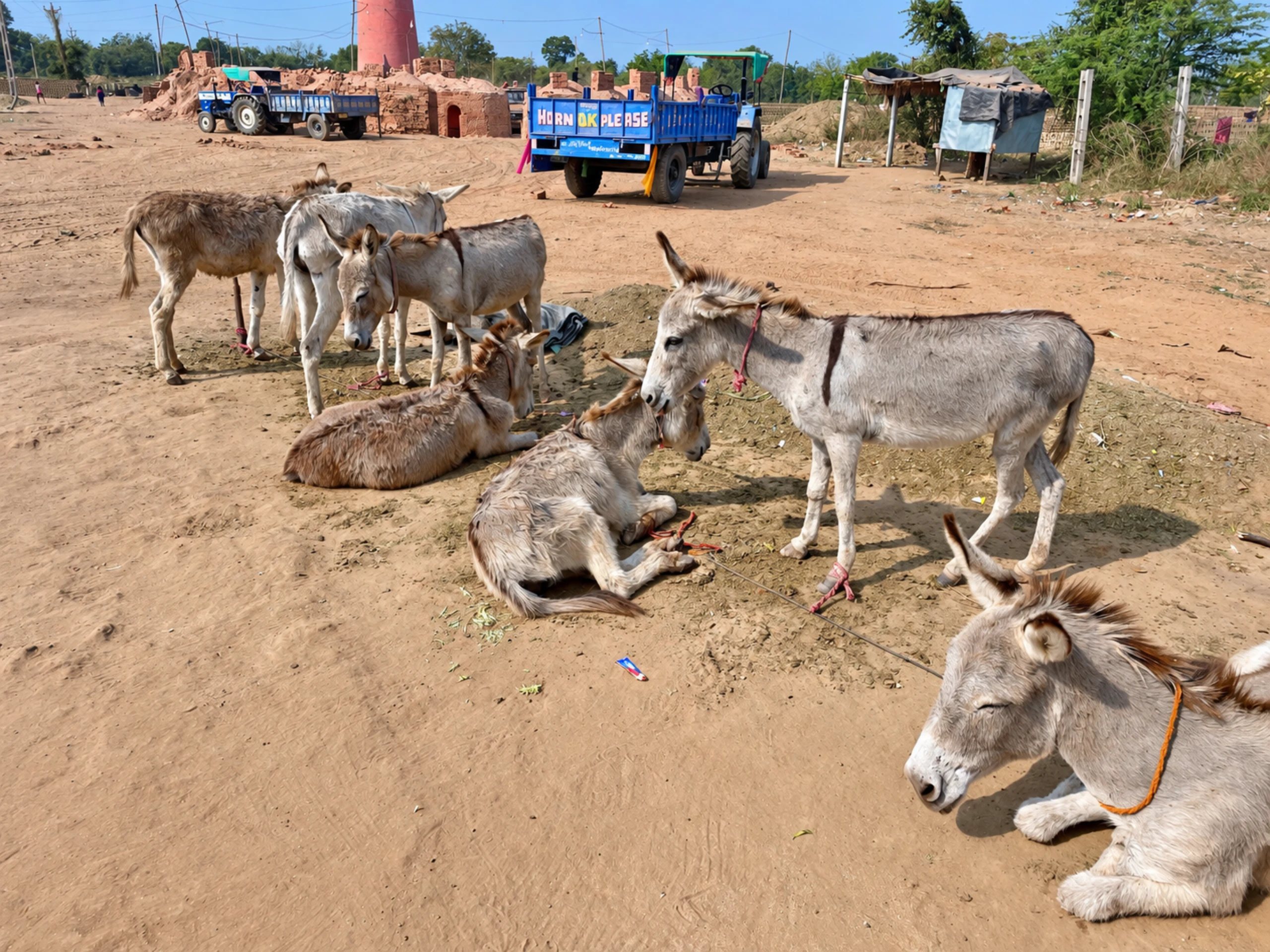
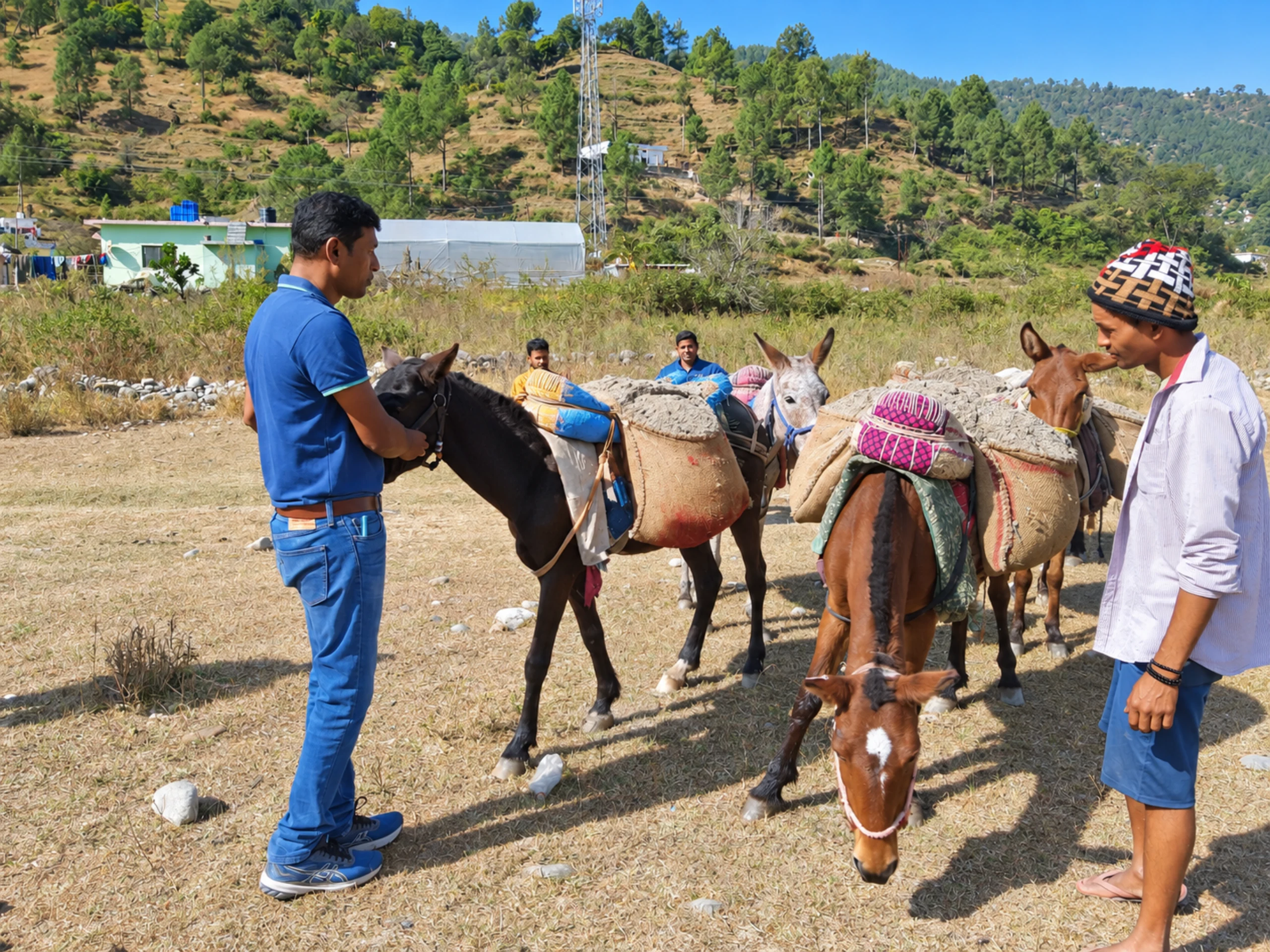
Seeing the conditions working equids experience every day.
We work on issues including:
- Welfare assessment
- Preventive veterinary care
- Nutrition and body condition
- Harness and equipment-related injuries
- Disease prevention and control
- Working conditions
- Animal handling and behaviour
- Owner education
- Veterinary and community capacity building
Our aim is not simply to treat animals when they become sick or injured, but to help prevent welfare problems and build sustainable improvements in the way working animals are cared for.
Veterinary Expertise
Veterinary knowledge is central to our work. Our programmes are informed by practical veterinary experience and an understanding of animal health, behaviour and welfare.
We use veterinary examination, welfare assessment, preventive medicine and evidence-based approaches to identify problems and develop appropriate interventions.
We also believe strongly in sharing knowledge. Through training, mentoring and technical support, we work to strengthen the capacity of veterinary professionals, animal-welfare practitioners and others involved in animal care.
Rescue, Rehabilitation & Long-term care
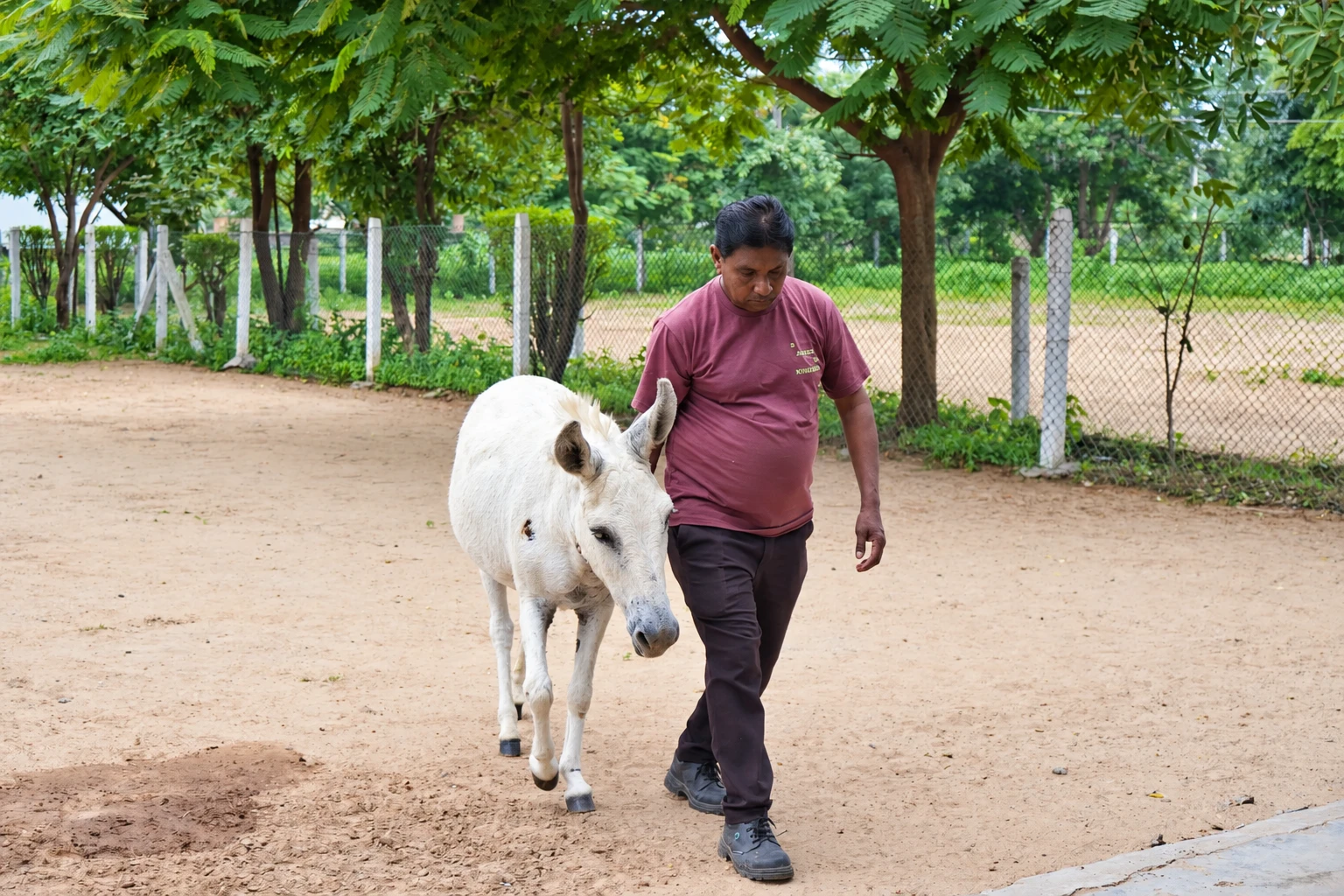
Providing safety, care and a second chance
Some animals need more than emergency treatment. Animals who have experienced illness, injury, neglect or difficult circumstances may need specialised care and rehabilitation.
Animals who cannot safely return to their previous homes or circumstances may require long-term or lifelong care. At our Ahmedabad shelter, we provide a safe environment where animals can receive appropriate nutrition, veterinary care, shelter, companionship, enrichment and daily attention.
Our goal is not simply to keep animals alive. Our goal is to give them a good quality of life.
We monitor their health and welfare and adapt their care as their needs change.
Working With Communities
Sustainable animal welfare cannot be achieved by working in isolation.
Where animals are part of people's livelihoods, lasting improvements depend on working alongside animal owners and communities.
We therefore seek to understand local circumstances, listen to the people involved and develop practical solutions that can work within their everyday lives.
Education and engagement are essential parts of this approach.
By sharing knowledge and building skills, we can help prevent welfare problems rather than continually responding to them.
Training and Capacity Building
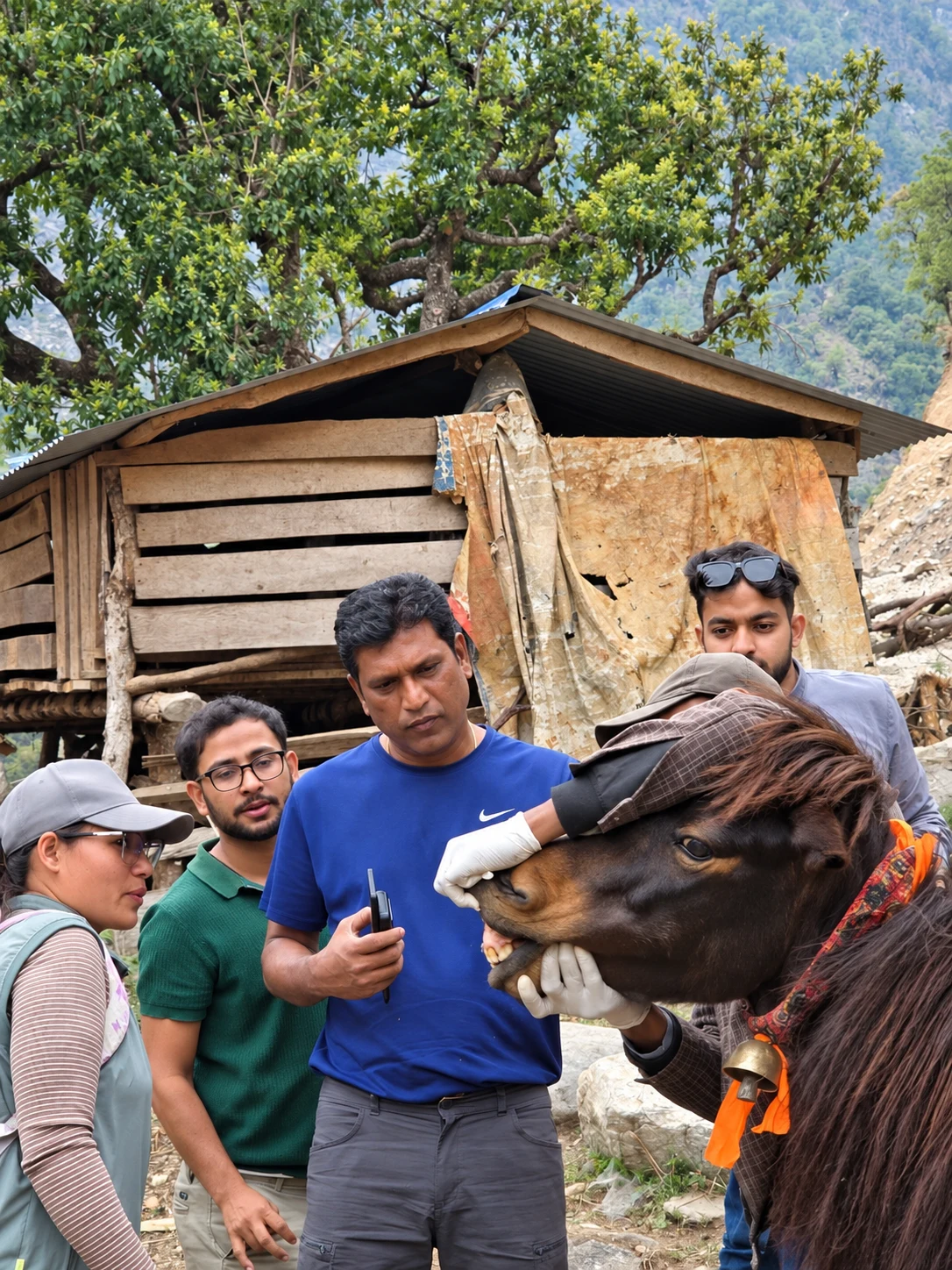
One of the most effective ways to create lasting change is to strengthen the people who care for animals.
AHF contributes to animal-welfare and veterinary training through practical learning, technical support, welfare assessment and development of educational resources.
Our experience includes working with veterinary professionals, animal-welfare practitioners, community organisations and partner NGOs.
We aim to make training practical, relevant and applicable to real-world animal welfare challenges.
Working in Partnership
Animal welfare challenges are rarely solved by one organisation working alone.
We collaborate with animal-welfare organisations, veterinary professionals, NGOs, communities, researchers, donors and other partners.
Through these partnerships, we can share expertise, strengthen programmes, reach more animals and learn from experience.
We value partnerships based on trust, transparency, shared learning and a common commitment to animal welfare.
Evidence and Learning
We believe good intentions are not enough. Animal welfare programmes should be informed by evidence, monitored carefully and adapted when something is not working.
We use welfare assessment, veterinary examination, field observations, programme monitoring and learning from experience to understand the needs of animals and evaluate the effectiveness of our work.
We also share our learning with partners and the wider animal-welfare community wherever possible.