Animal health and welfare
Preventing disease, treating illness and injury, improving nutrition and promoting positive welfare.
 Donate
ABOUT US
Animal Help Foundation (AHF) is an animal-welfare organisation committed to improving the health, welfare and quality of life of animals in need.
Our work combines compassionate animal care, veterinary expertise, prevention, education, community engagement and capacity building to address both the immediate needs of animals and the underlying causes of poor welfare.
We believe that every animal deserves to be treated with kindness, respect and dignity.
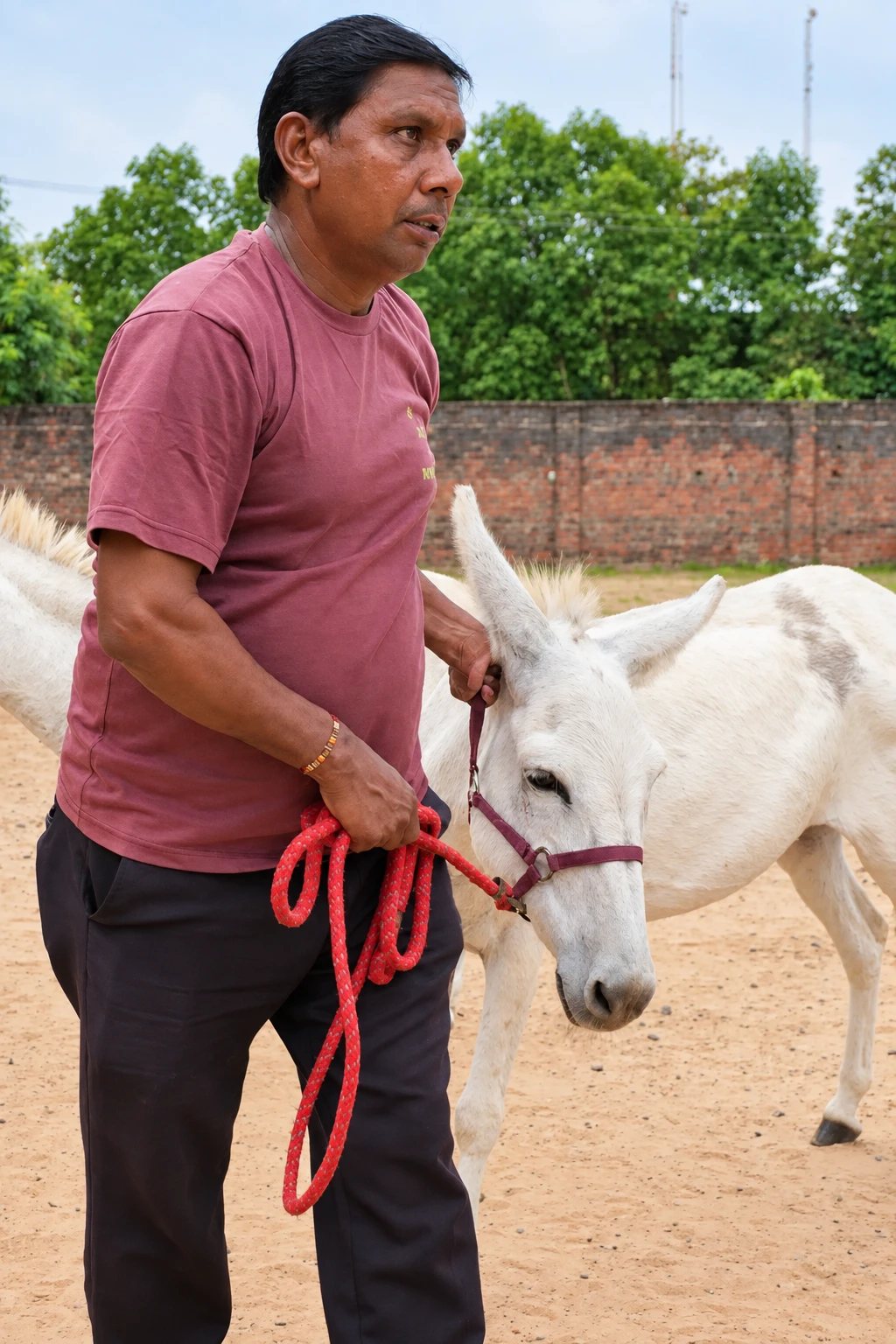
Animal Help Foundation was established with a simple purpose: to make a practical and lasting difference to the lives of animals.
Over the years, our work has developed from caring for animals in need to a broader approach that addresses animal welfare through veterinary care, rehabilitation, sanctuary, welfare support for working equids, training, community engagement and collaboration.
Our experience has shown us that treating an injured or sick animal is important—but preventing that injury or illness in the first place can make an even greater difference.
This understanding shapes everything we do.
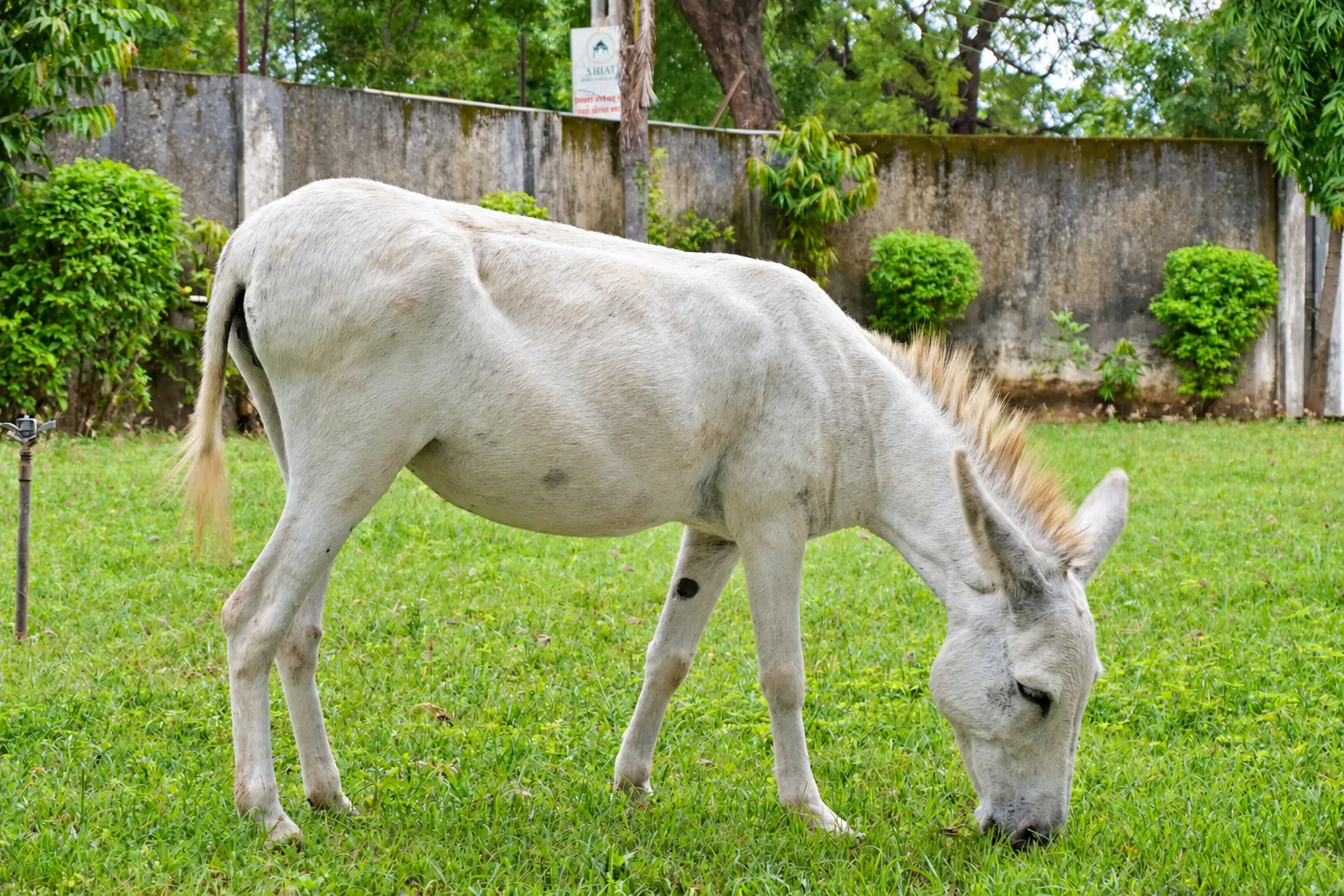
Animal welfare is about much more than the absence of disease.
An animal's welfare is influenced by its physical health, nutrition, environment, behaviour, relationships with people and ability to experience positive states of life.
Our approach therefore combines healthcare with welfare.
We work to:
Healthy animals, healthy people, healthy communities and a healthier environment
Animal health does not exist in isolation.
The health and wellbeing of animals, people and the environment are closely connected. This is the foundation of the One Health approach that informs our work at Animal Help Foundation.
For us, One Health means recognising these connections and working across them to develop practical and sustainable solutions to health, welfare, livelihood and environmental challenges.
Working donkeys, mules and horses can make an important contribution to environmentally sustainable livelihoods.
In many rural, agricultural and mountainous communities, working equids provide transport and physical labour without relying directly on fossil fuels. They can carry people and goods, transport agricultural produce, collect water and firewood, support farming activities and provide access to areas where motorised transport may be difficult or impractical.
By providing this essential work, equids can help communities meet their transport and livelihood needs with a relatively low environmental footprint.
Their contribution is particularly relevant in areas where roads are limited, terrain is difficult or access to fuel and motorised transport is restricted.
Recognising the environmental contribution of working equids strengthens our commitment to their welfare.
Healthy and well-cared-for animals are better able to work effectively and safely. Appropriate nutrition, preventive healthcare, responsible workload, adequate rest and good management can help animals remain healthy and productive while reducing avoidable suffering.
At the same time, responsible management of working animals can help communities make effective use of locally available resources and reduce unnecessary dependence on more resource-intensive forms of transport and labour.
We therefore see the welfare of working equids as part of a broader conversation about sustainable livelihoods, responsible resource use and environmental stewardship.
The relationship between working animals, people and the environment is interconnected.
A healthy working equid can support a family's livelihood.
A secure livelihood can enable animal owners to invest in better nutrition, veterinary care and housing.
Better animal management can improve welfare and reduce unnecessary losses.
And appropriate use of working animals can provide communities with an environmentally sustainable means of transport and labour.
At the same time, environmental changes—including drought, changing availability of forage and water, extreme weather and degradation of natural resources—can directly affect both animals and the people who depend on them.
Understanding these connections allows us to look beyond individual welfare problems and consider the wider system in which animals and people live.
Our work therefore brings together four closely connected areas:
Preventing disease, treating illness and injury, improving nutrition and promoting positive welfare.
Recognising the importance of animals to the income, mobility, resilience and wellbeing of the people who depend on them.
Recognising the contribution of appropriately managed working equids to low-impact transport and livelihoods, while promoting responsible use of natural resources and healthy environments.
Addressing the underlying causes of health and welfare problems and helping communities adapt to changing environmental and livelihood conditions.
One Health reinforces our belief that animal welfare cannot be considered separately from the people and environments with which animals share their lives.
When we improve the health of a working equid, we may also support a family's livelihood.
When we strengthen an owner's knowledge, we can improve animal care and reduce preventable suffering.
When communities can rely on healthy working animals for transport and livelihoods, they may have practical alternatives to more resource-intensive options.
And when we protect the environments on which animals and communities depend, we help create the conditions necessary for long-term health and wellbeing.
At Animal Help Foundation, we believe that caring for animals, supporting people and protecting the environment are interconnected parts of creating a healthier and more sustainable future.
“One Health is therefore not a separate programme at AHF. It is a way of thinking that guides how we understand problems, design programmes and work towards lasting change”.
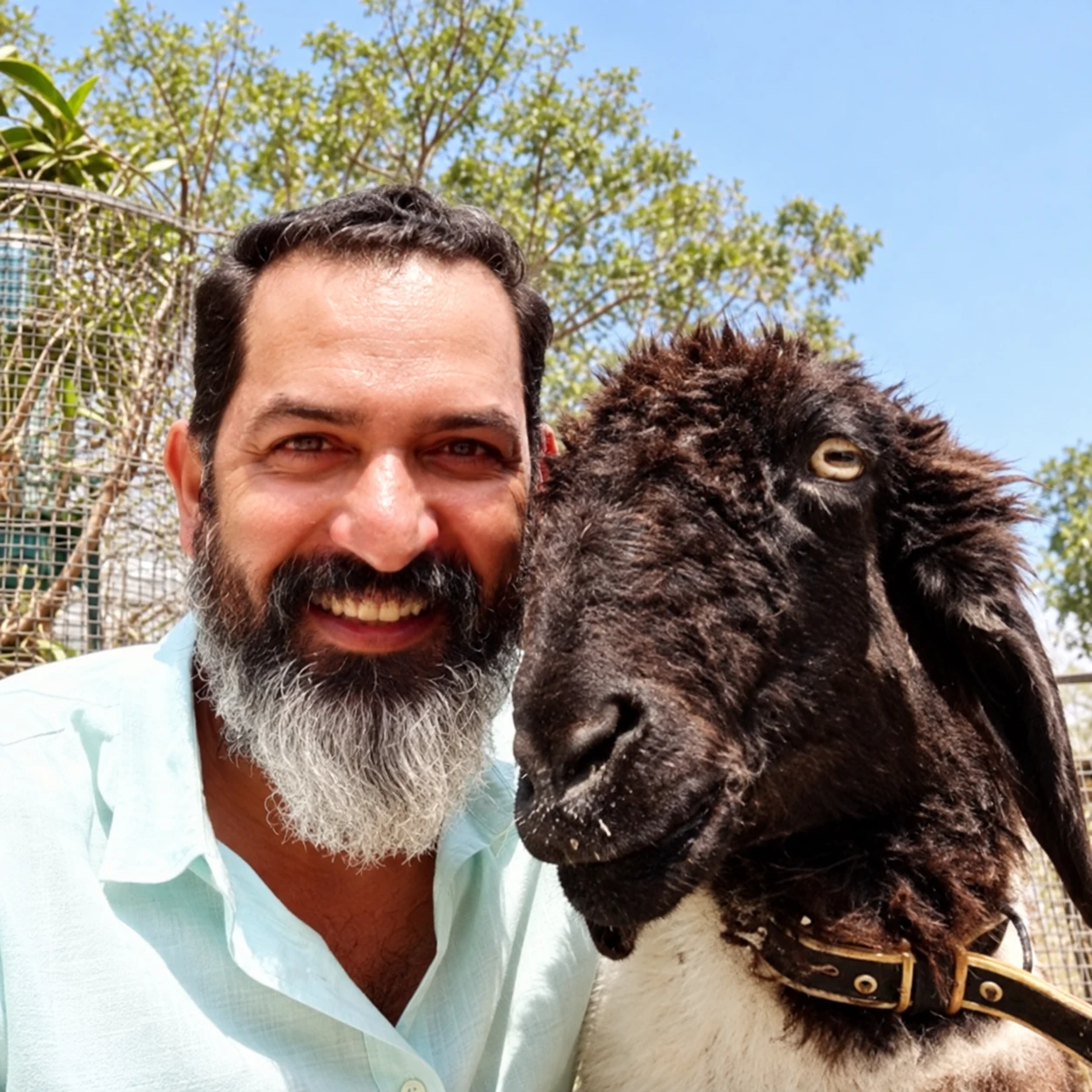
Managing Trustee and Chief Functionary
Mr. Rahul Sehgal is an experienced non-profit professional with an extensive background in international non-profit organisation management, operations and programme development. He has experience in organisational leadership, government liaison, negotiation, team building, event management and stakeholder engagement.
As Managing Trustee and Chief Functionary of Animal Help Foundation, he provides strategic and operational leadership to the organisation and supports the development and implementation of its animal welfare and community-focused programmes.
With a strong commitment to social development and animal welfare, Mr. Sehgal brings valuable leadership, organisational and partnership-building skills to AHF. He holds a Bachelor of Arts (B.A.) in Sociology from Gujarat University.
Trustee
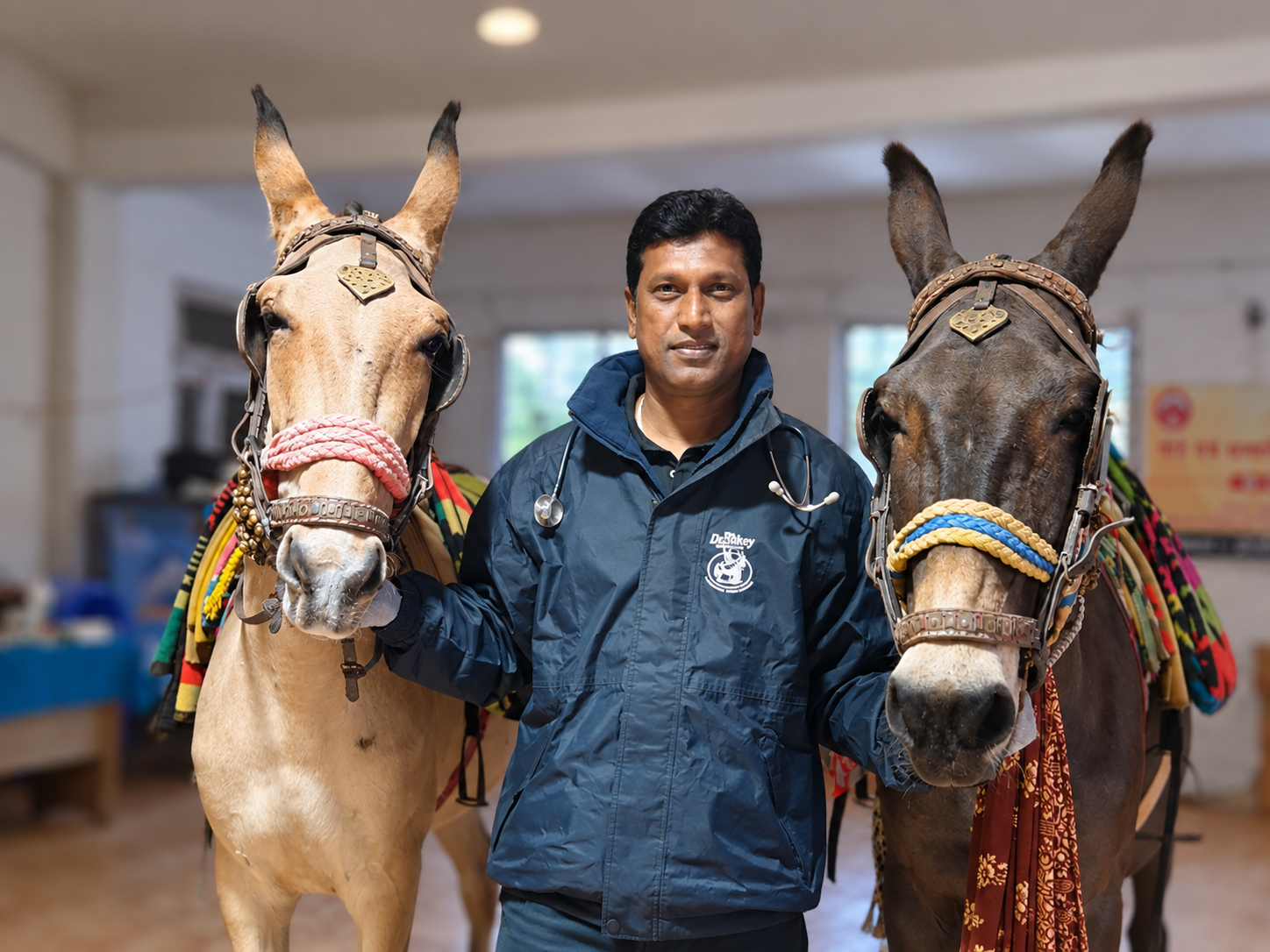
Dr. Ramesh Kumar Perumal is a veterinarian and development professional with more than two decades of international experience in animal welfare, sustainable livelihoods, and NGO leadership. He holds a Master's degree in Veterinary Science from Tamil Nadu Veterinary and Animal Sciences University (TANUVAS), India.
Throughout his career, Dr. Perumal has led and supported programmes across India and South Asia that improve the welfare of working equids while enhancing the livelihoods of vulnerable communities. His expertise includes animal welfare, One Health, humanitarian development, advocacy, capacity building, and disaster response. He has contributed to the development of training frameworks, policy initiatives, and multi-stakeholder partnerships involving governments, academic institutions, and civil society organisations.
Currently serving as a Consultant, Dr. Perumal provides technical guidance on the welfare of working equids and veterinary education initiatives. He is also engaged in research and has published in peer-reviewed journals on equine welfare, helping to strengthen evidence-based practices in the field.
Trustee
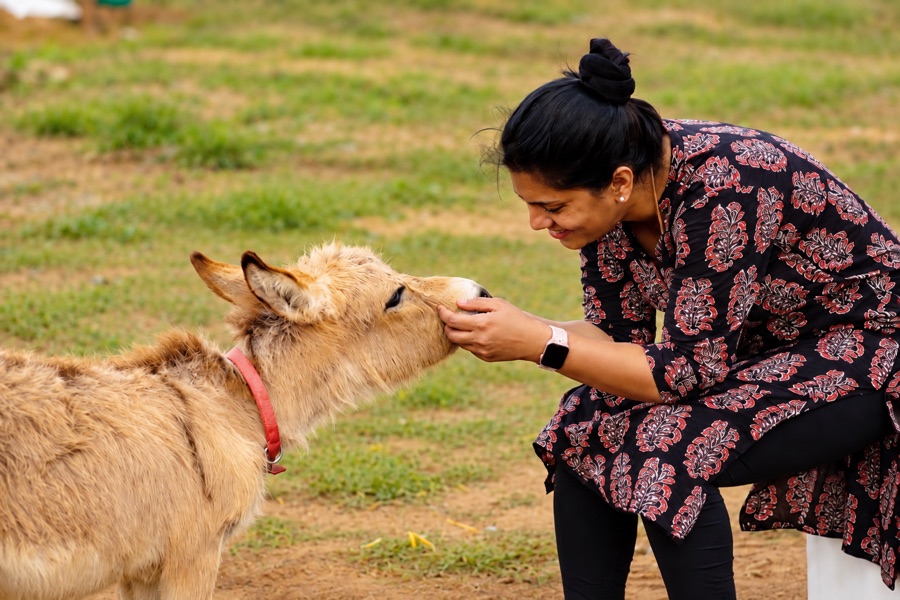
Dr. Saroja Ramesh Kumar is a senior veterinarian and development professional with more than two decades of experience in animal welfare, community development and sustainable livelihoods in India. She has extensive experience in leading animal welfare outreach programmes, animal rescue and rehabilitation, veterinary care, farm management and community-based initiatives.
Her work focuses on improving the health and welfare of working animals while supporting the communities that depend on them for their livelihoods. She has been closely involved in programmes promoting responsible animal care, humane working practices, community participation and sustainable development.
Through her long-standing commitment to animal welfare and community development, Dr. Saroja brings valuable veterinary expertise, field experience and a strong commitment to improving the lives of animals and the people who depend on them.
Trustee