1. Compassion
Every animal matters.
 Donate
WHAT WE DO
Animal Help Foundation works to improve the lives of animals through a combination of veterinary care, sanctuary, rehabilitation, welfare support for working equids, community engagement, training and evidence-based animal welfare programmes.
We work both directly with animals and with the people whose knowledge, decisions and actions influence animal welfare.
Our approach is guided by a simple principle:
The best animal welfare programmes combine compassionate care with prevention, knowledge and lasting change.
Supporting the animals who support people
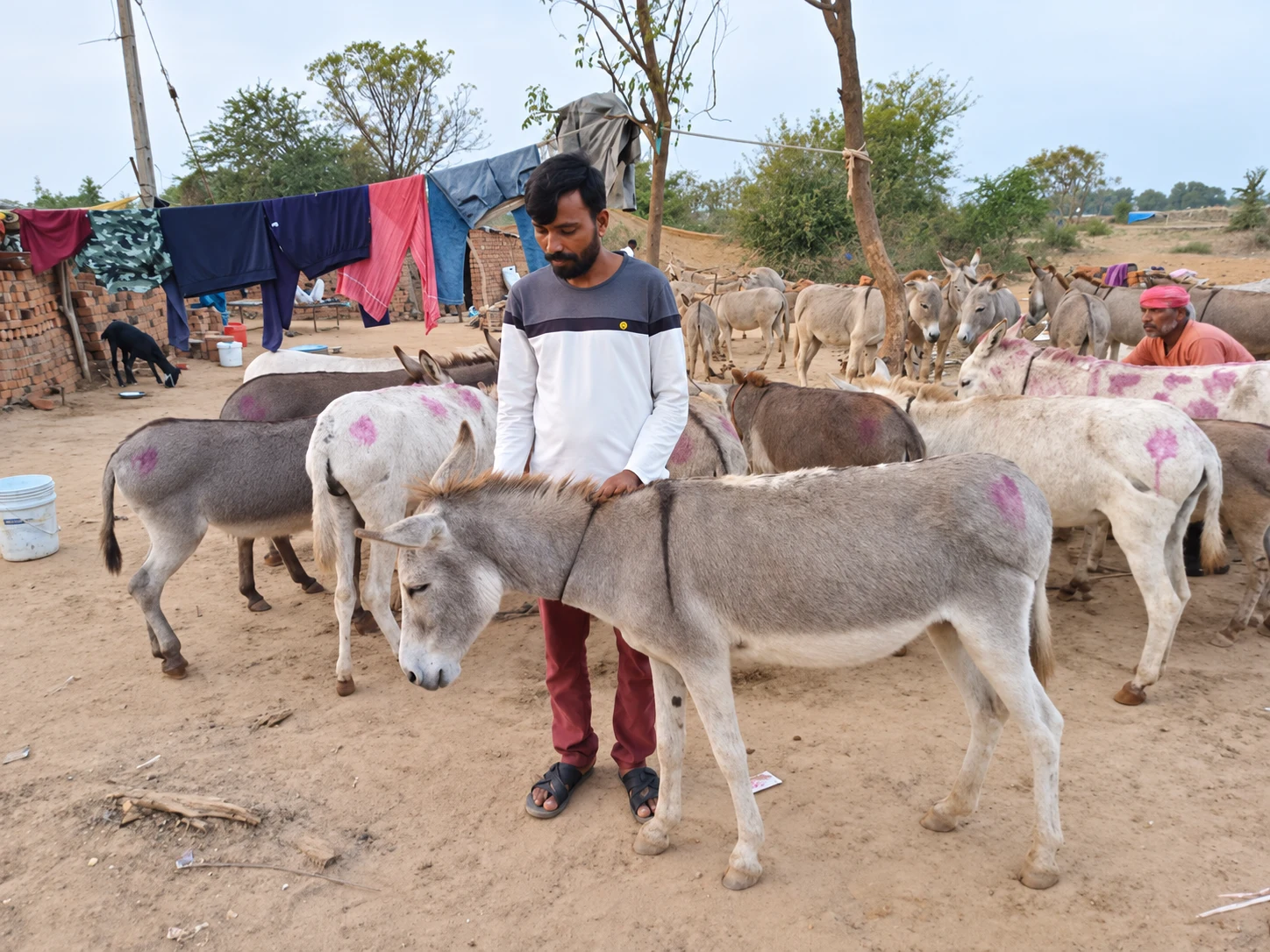
Donkeys, mules and horses play an essential role in the livelihoods of many families and communities.
Working equids may face long working hours, inadequate nutrition, injuries, poorly fitting harnesses, disease and limited access to veterinary care. Many of these welfare problems can be prevented through better knowledge, appropriate management and timely veterinary intervention.
AHF works to improve the welfare of working equids through:
We aim to move beyond treating individual problems and help develop practical solutions that can prevent suffering in the first place.
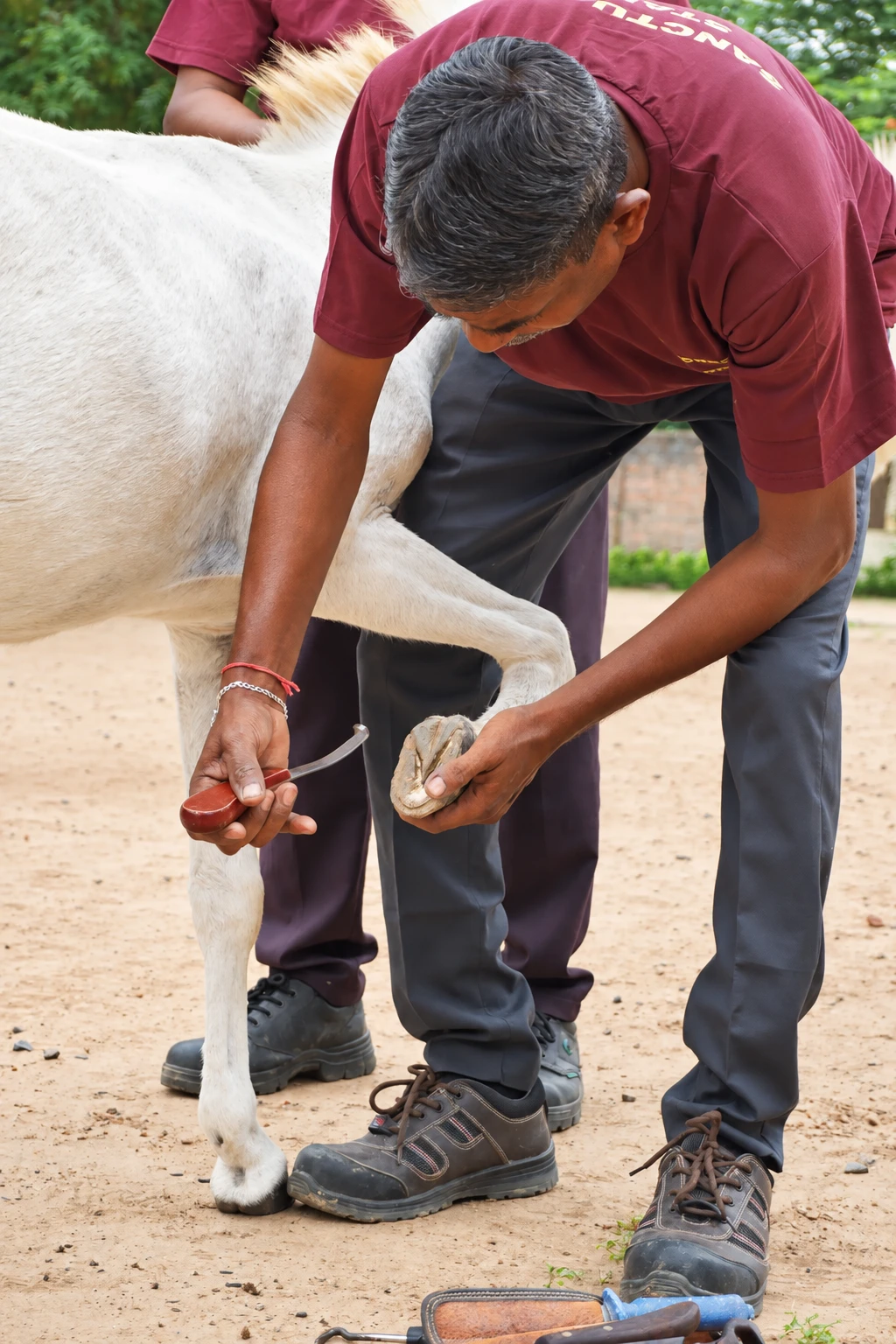
Health is fundamental to welfare
Good animal welfare depends on good health.
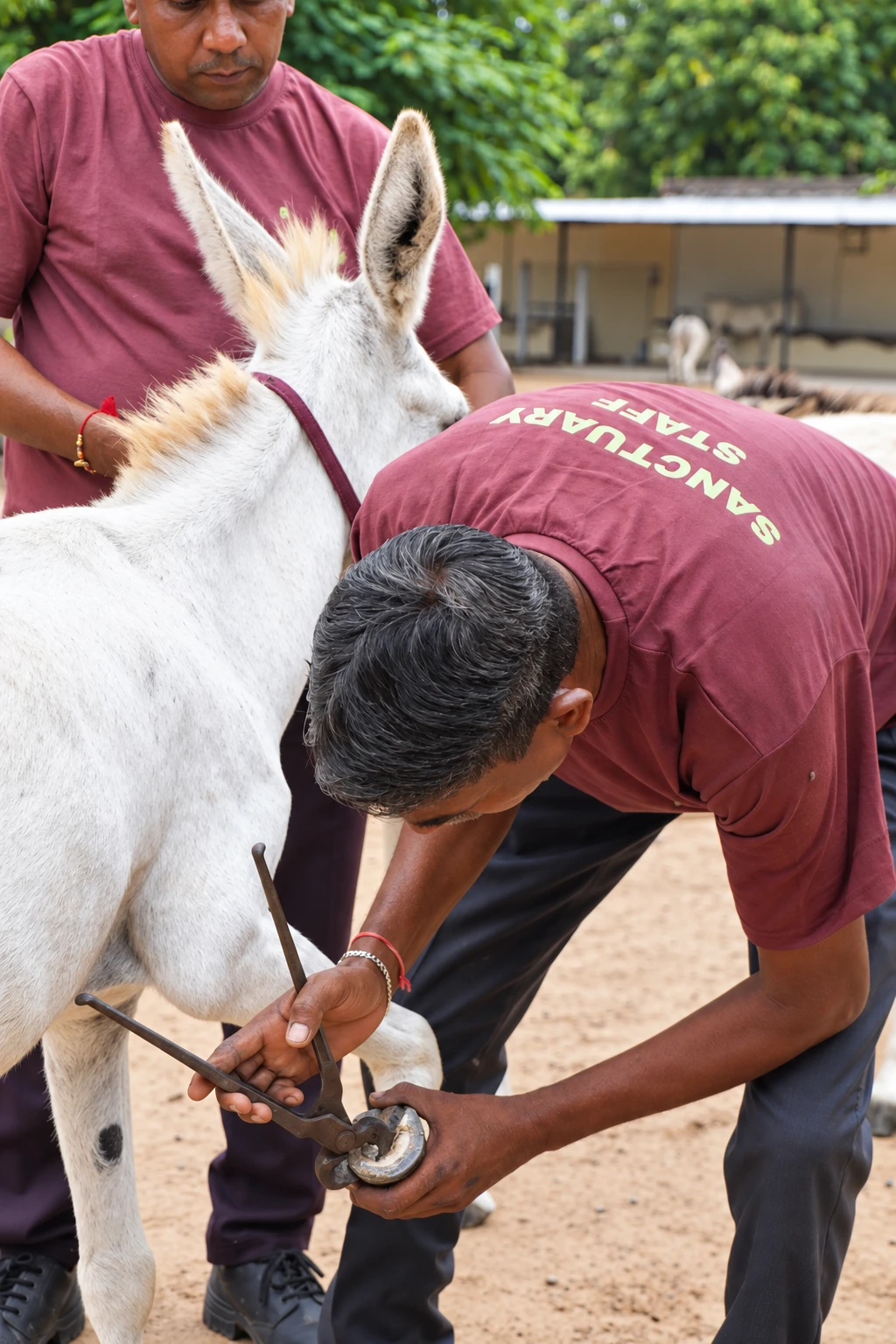
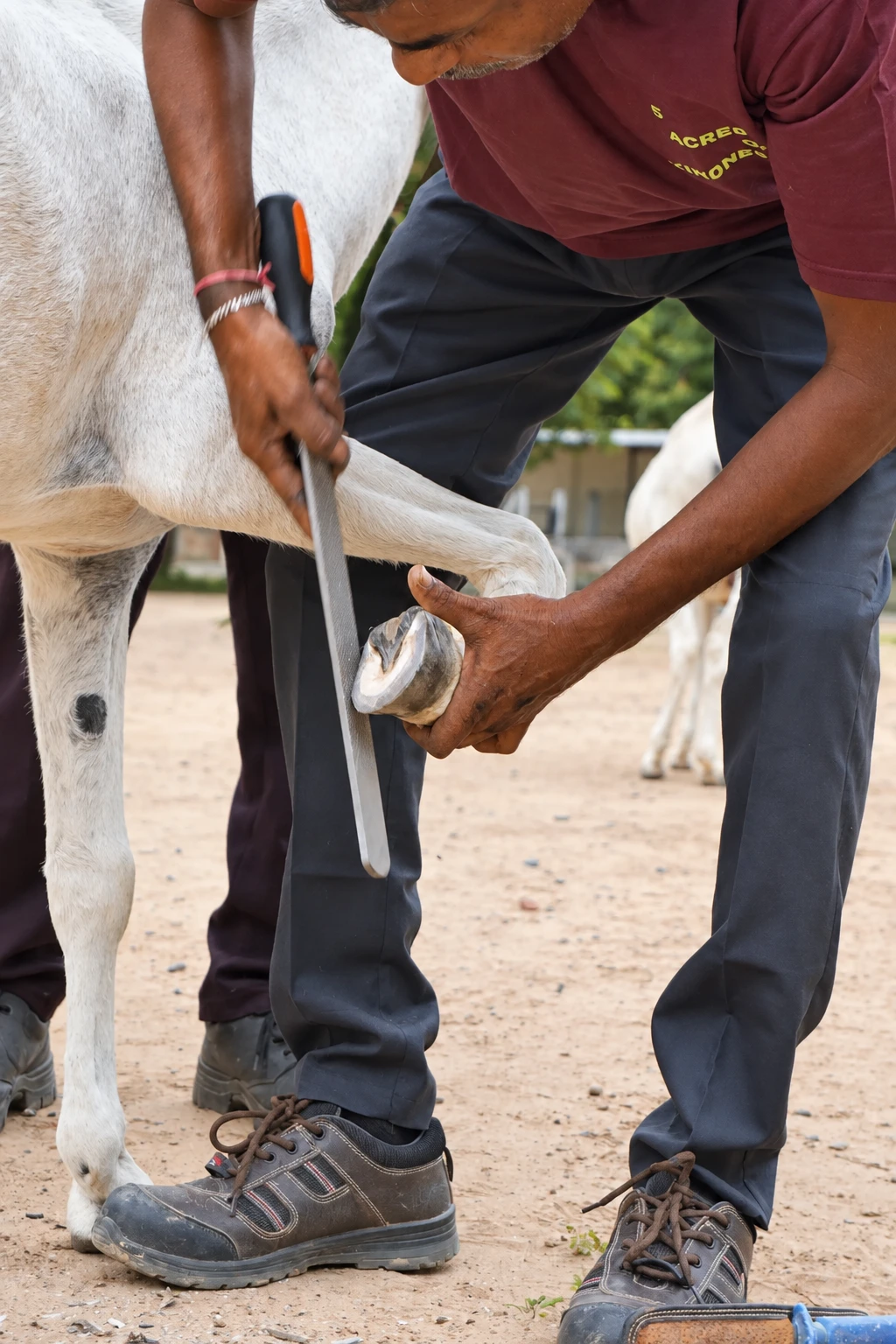
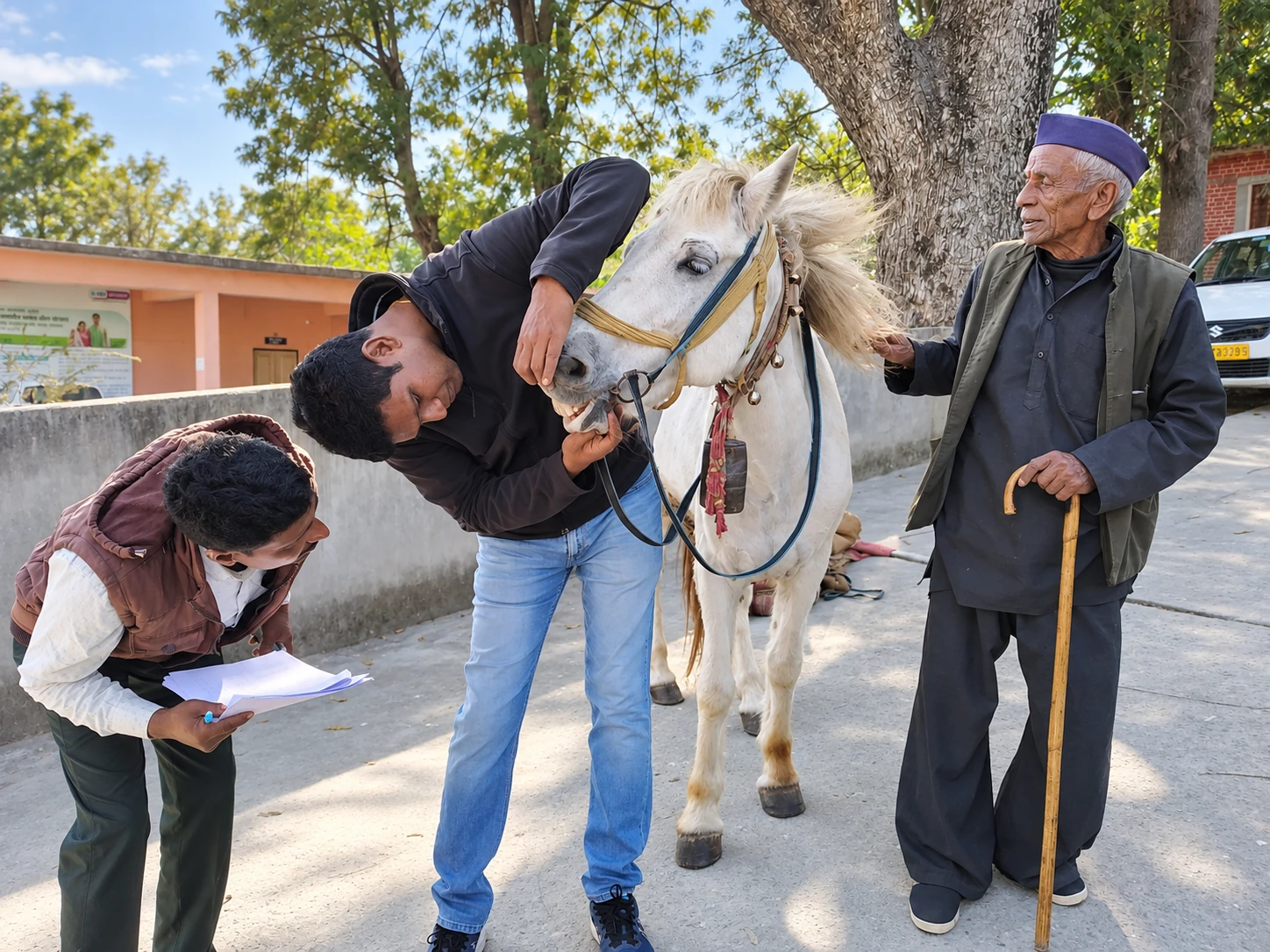
We provide veterinary assessment, treatment and preventive healthcare for animals in our care and, through field programmes, support animals who may have limited access to veterinary services.
Our veterinary work may include:
We also place strong emphasis on prevention, helping animal owners and caregivers recognise health problems early and understand how appropriate management can reduce disease and injury.
Giving animals the time and care they need to recover
Some animals come to us after experiencing neglect, injury, illness or difficult living conditions.
Rescue is only the beginning.
Following rescue, each animal's needs are assessed and an appropriate care plan is developed. This may include veterinary treatment, nutrition, rehabilitation, behavioural support, rest and environmental changes.
We recognise that recovery does not always happen quickly.
Our aim is to give animals the time, care and security they need to regain health and experience a better quality of life.
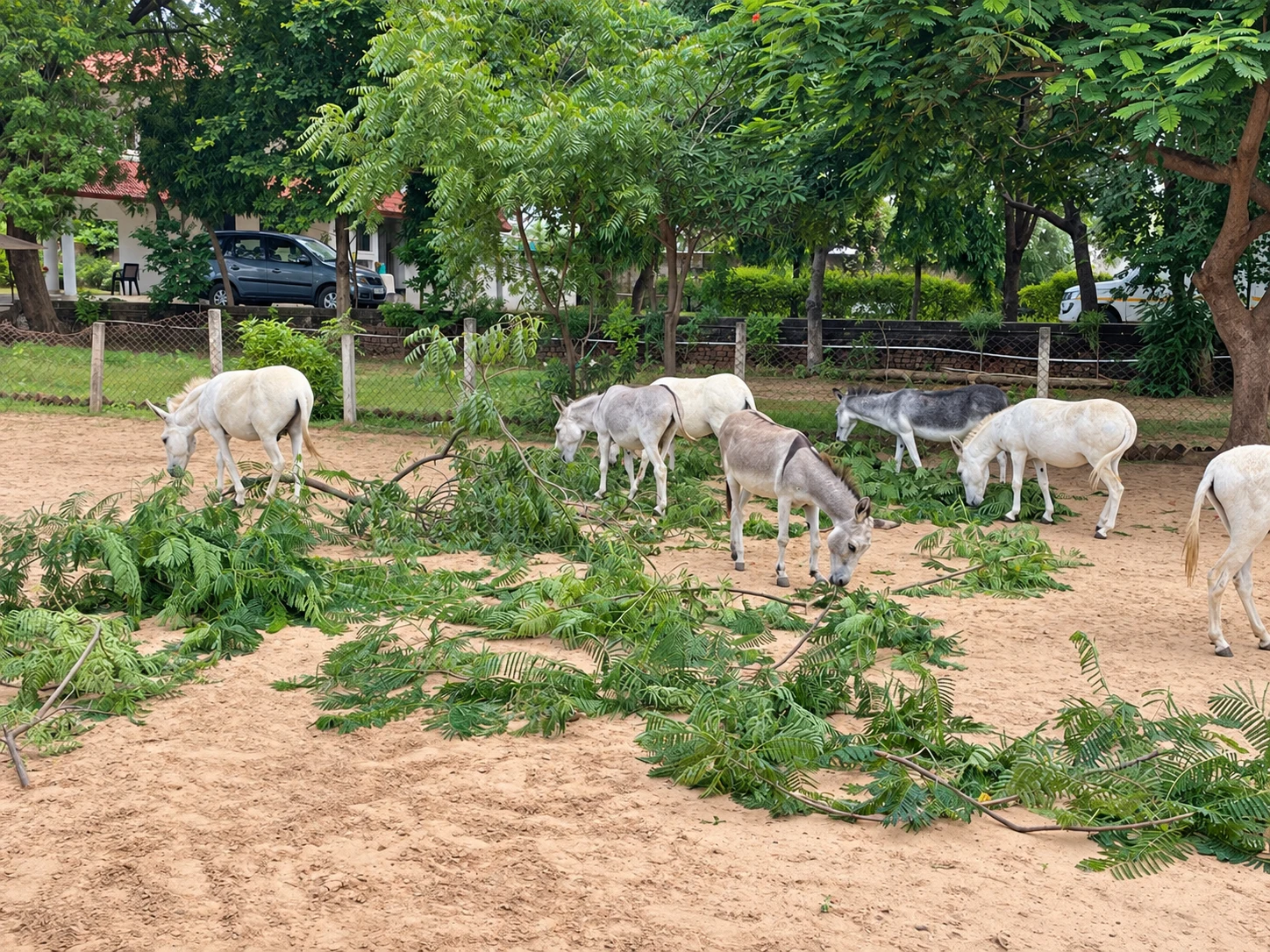
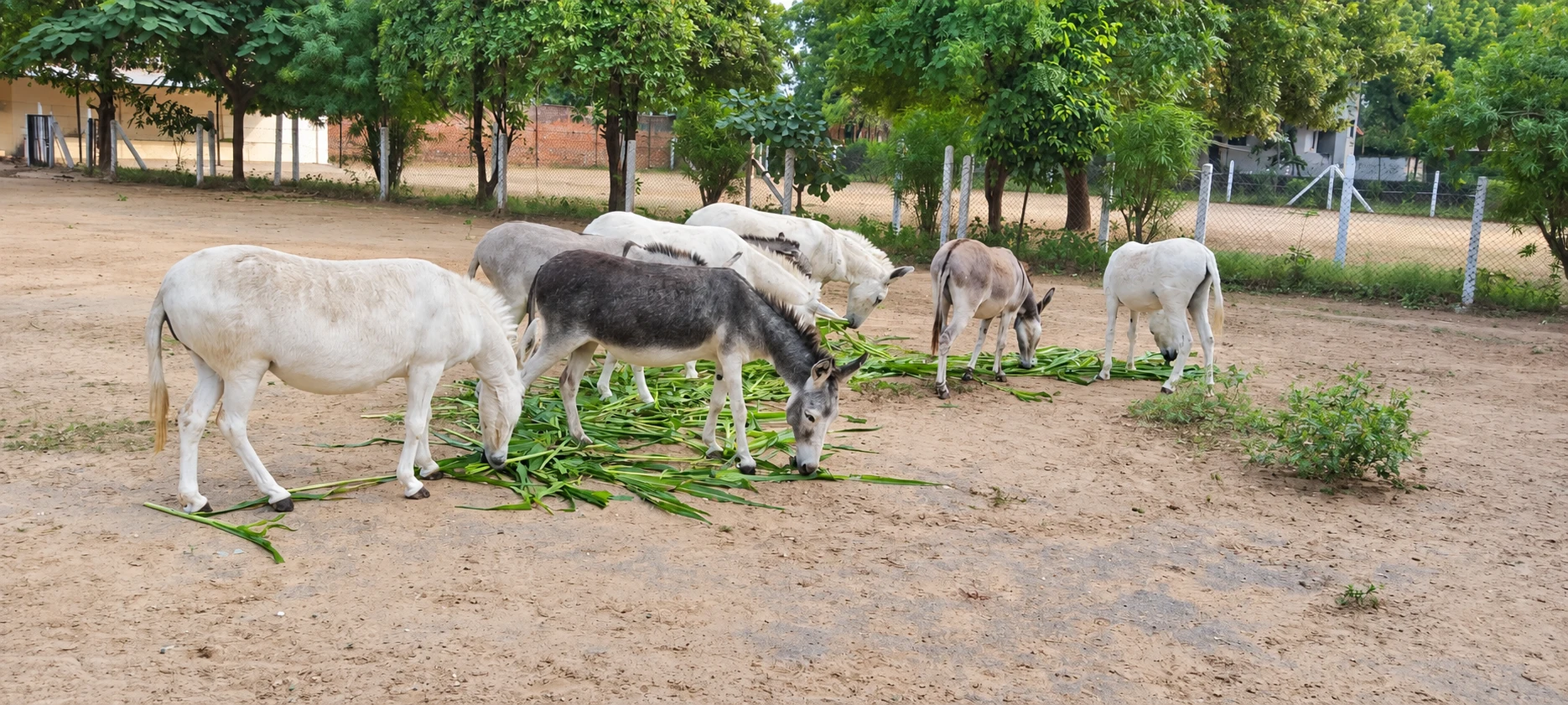
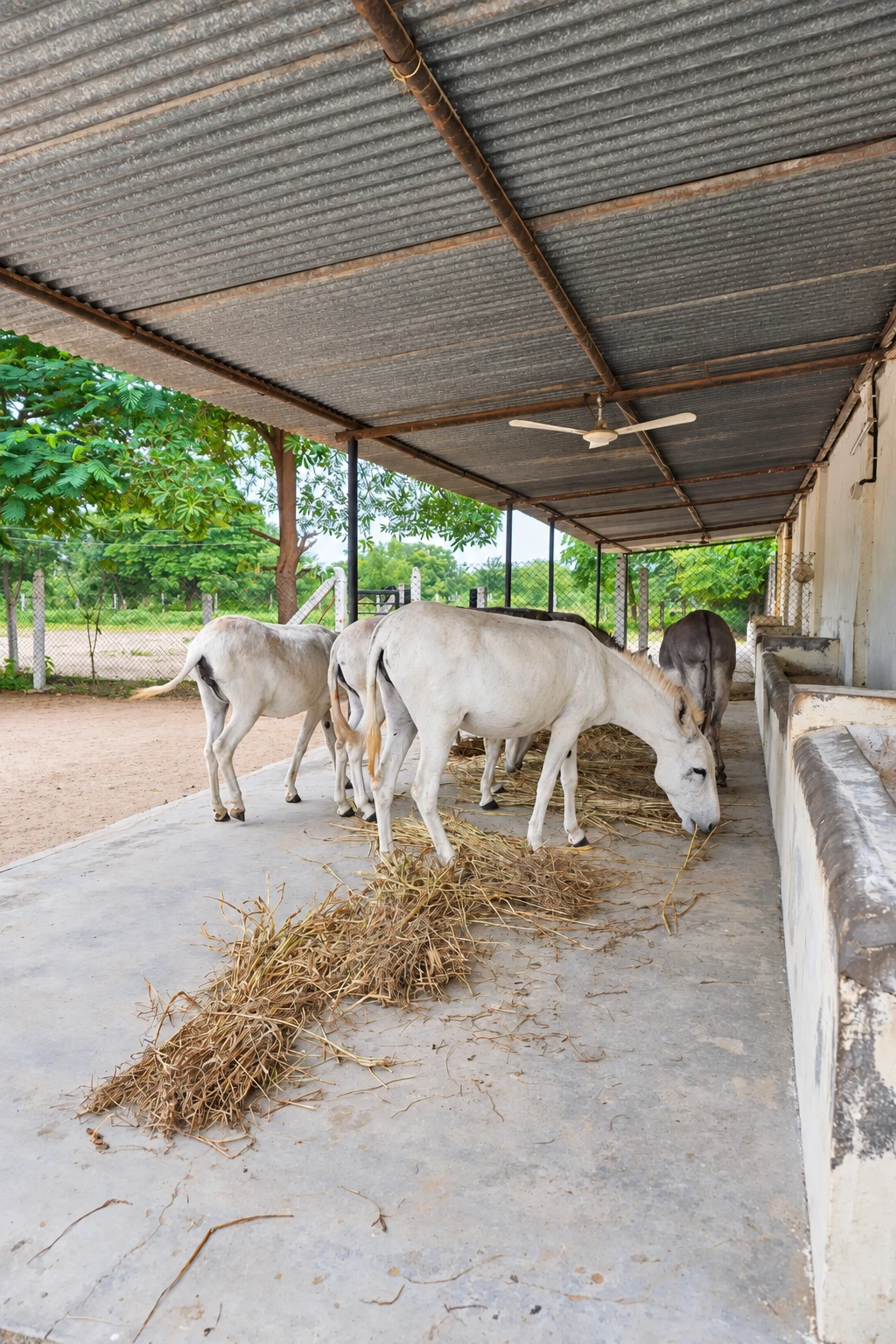
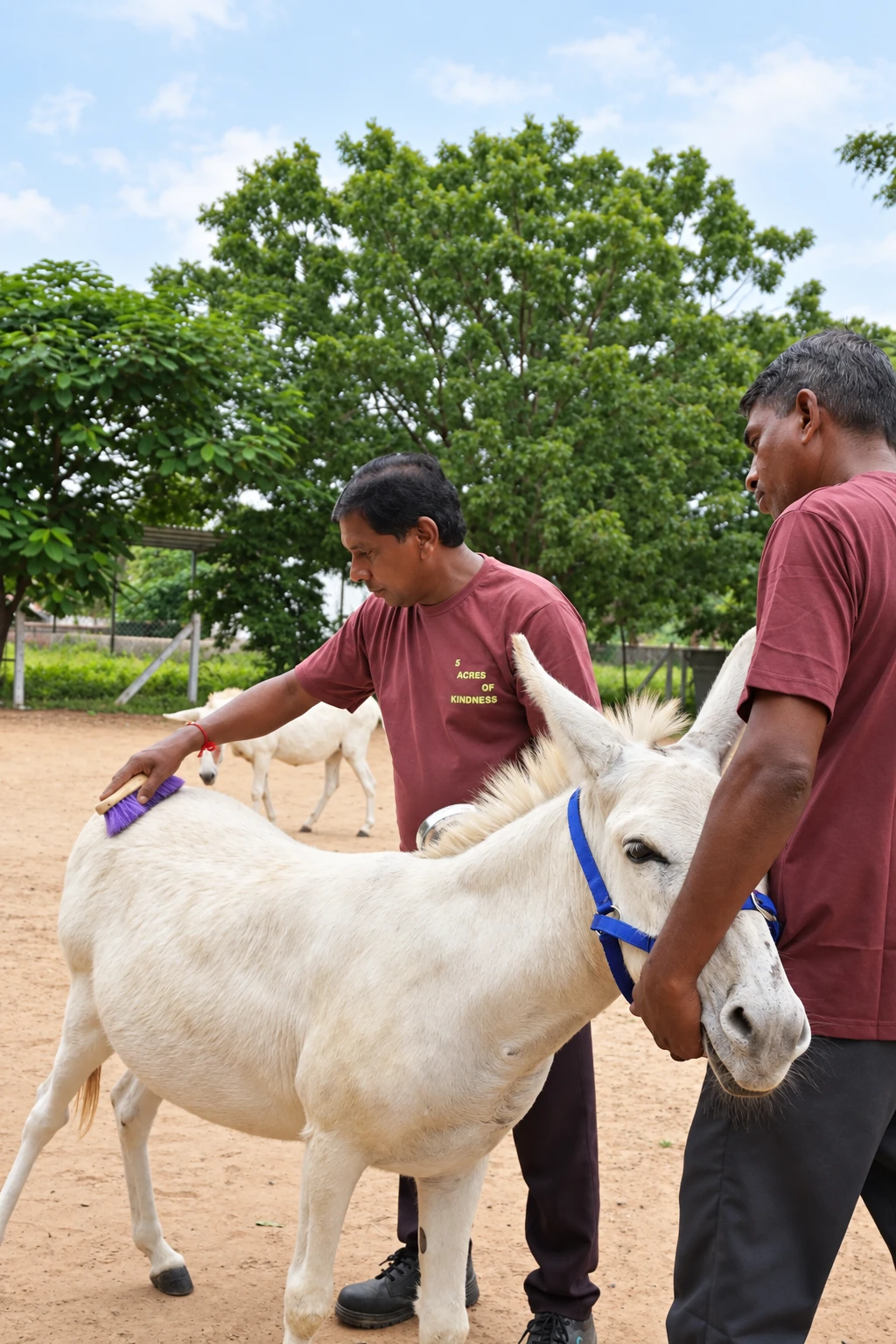
Space to explore. Shade, companionship and care.
A safe place for animals who need it
Some animals cannot safely return to their previous homes or working environments.
For these animals, our sanctuary provides a safe and caring environment where they can receive ongoing care.
Sanctuary care includes:
Every animal is an individual.
We consider their age, health, behaviour, history and specific needs when planning their care.
Our goal is not simply to provide shelter.
We want the animals in our care to have the best quality of life possible.
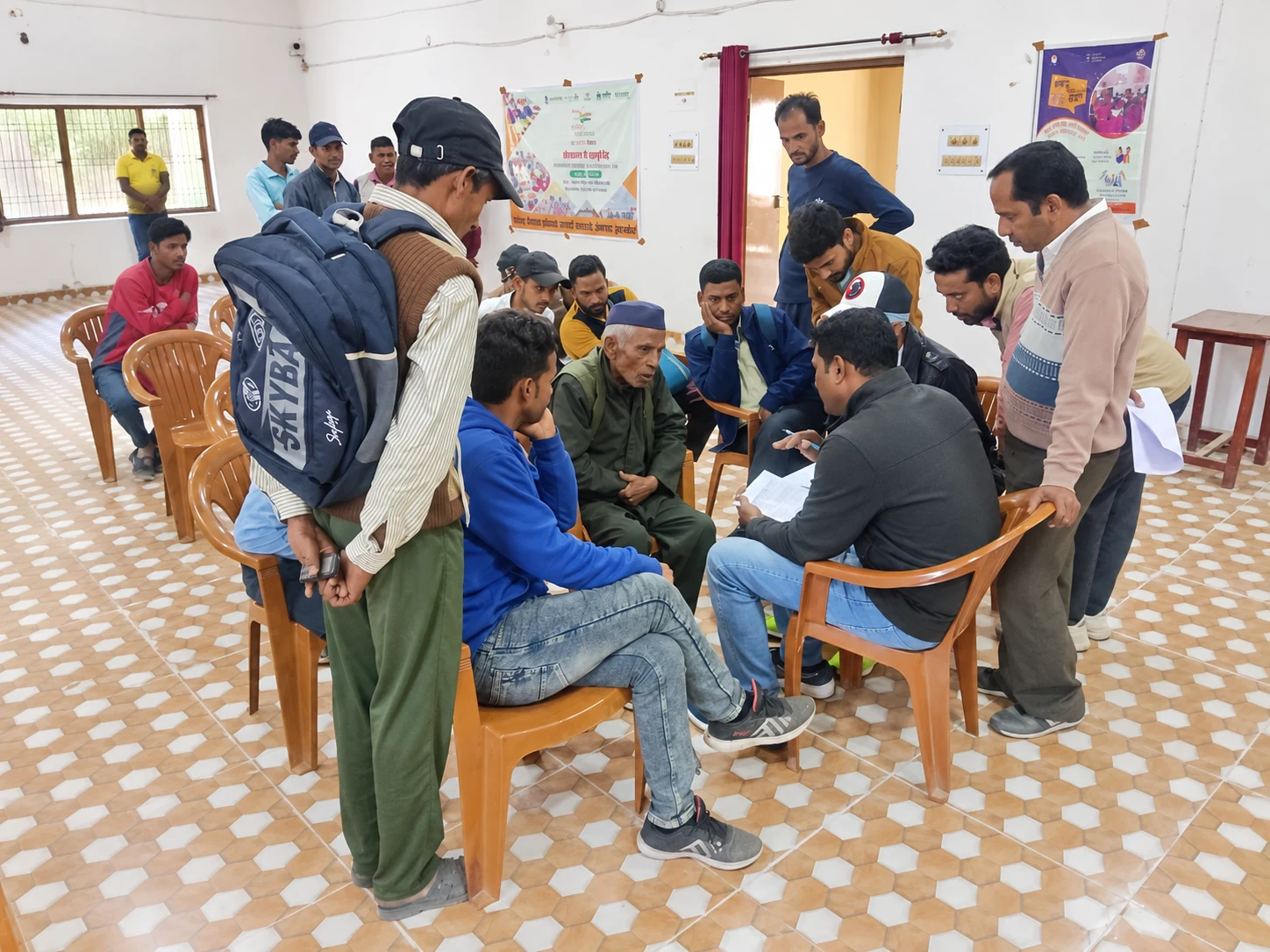
Listening, sharing knowledge and finding solutions together.
Creating change that lasts
Many animal welfare problems are closely connected to people's livelihoods, knowledge, resources and everyday practices.
For this reason, sustainable animal welfare requires working with people as well as animals.
We engage with animal owners, communities and local organisations to understand welfare challenges and develop practical solutions.
Our community-focused work may include:
We aim to build knowledge and confidence so that people are better able to care for animals themselves.
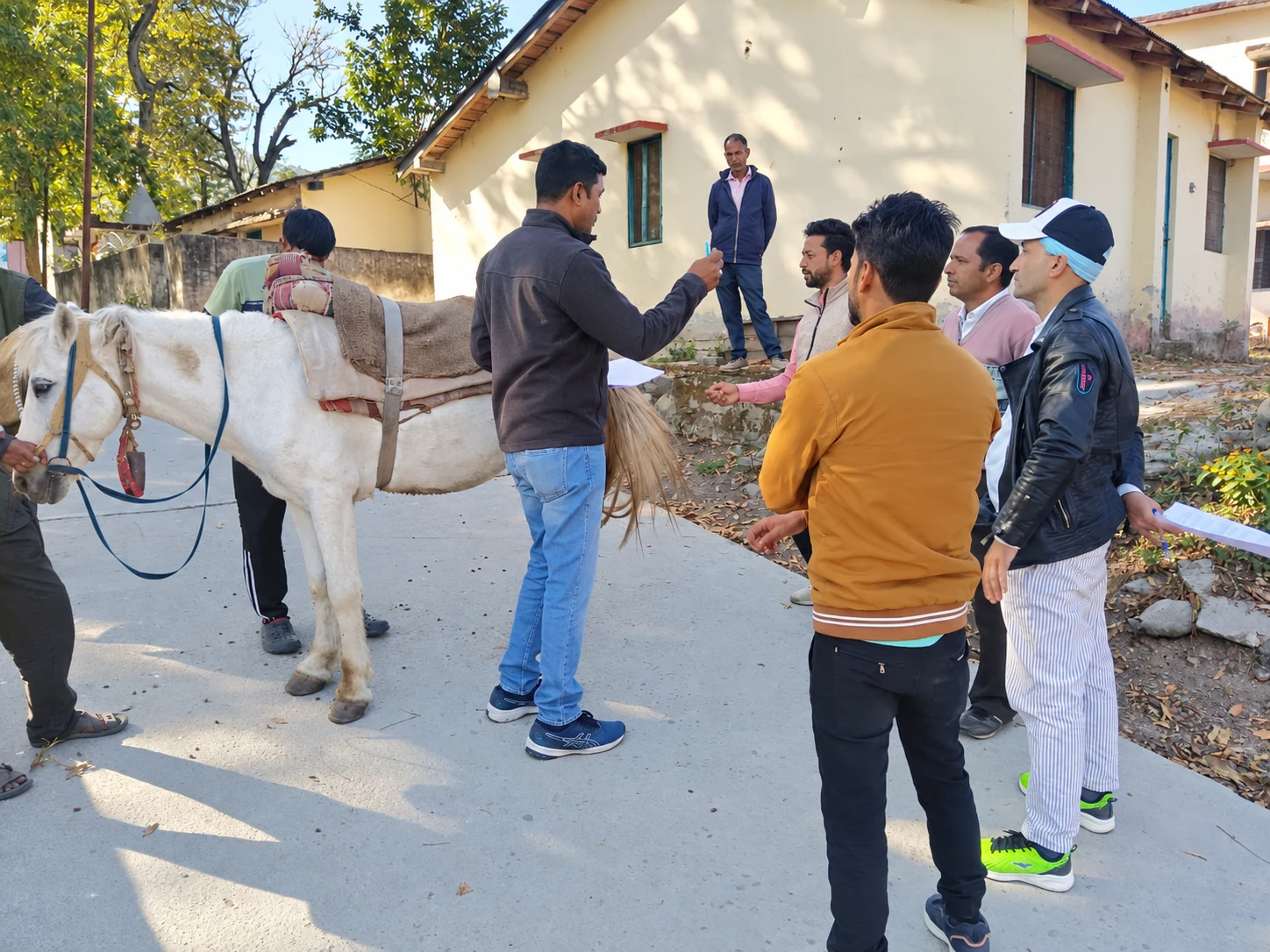
Sharing knowledge to strengthen animal welfare
Animal welfare improves when the people responsible for animal care have the knowledge, skills and confidence to make good decisions.
AHF supports training and capacity building for veterinary professionals, animal-welfare practitioners, community organisations and others involved in animal care.
Our areas of interest include:
We favour practical, competency-based learning that can be applied in real-world situations.
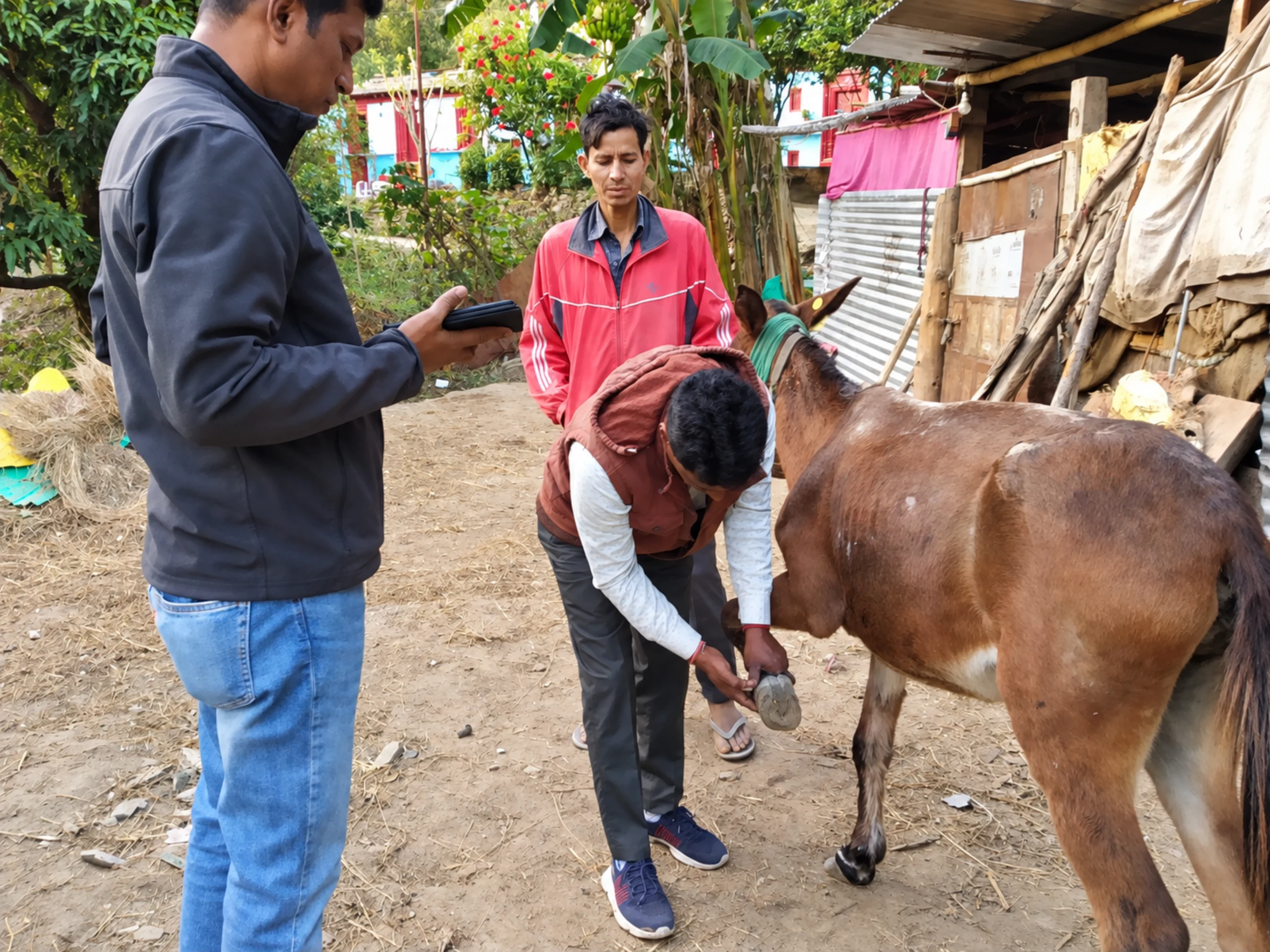
Understanding welfare through evidence
Good animal welfare programmes need to understand what is happening to animals and whether interventions are actually making a difference.
We use structured welfare assessment, veterinary examination, field observation and programme monitoring to identify welfare problems and measure change.
Assessment can help us understand areas such as:
The information we collect helps us identify priorities, design interventions and evaluate their effectiveness.
Learning from every animal and every programme
Animal welfare is a continually developing field.
We believe organisations should learn from both their successes and their challenges.
AHF seeks to document programme experiences, analyse welfare information and share relevant learning with partners and the wider animal-welfare community.
Our work is informed by:
We don't believe in doing things simply because they have always been done that way.
We believe in asking what works, why it works and how it can be improved.
We achieve more together
Animal welfare challenges are complex.
AHF works with local and international organisations, veterinary professionals, NGOs, communities, researchers and supporters to develop and deliver programmes.
Partnership allows us to combine different forms of knowledge and expertise, reach more animals and develop solutions that are more sustainable.
We welcome partnerships based on shared objectives, mutual respect, transparency and a genuine commitment to improving animal welfare.
Across all our programmes, we are guided by five principles:
Every animal matters.
Preventing suffering is better than treating avoidable suffering later.
Our decisions should be informed by veterinary knowledge, welfare science and practical experience.
We seek solutions that can continue to benefit animals beyond the duration of an individual project.
Lasting change is stronger when people and organisations work together.
Our work begins with individual animals, but our ambition goes further.
When we treat an injured animal, we ask how the injury could have been prevented.
When we provide veterinary care, we ask how access to preventive healthcare can be improved.
When we work with a working equid, we consider the animal, its owner and the livelihood that depends upon it.
When we train a veterinary professional or community member, we are helping to build knowledge that can benefit many more animals in the future.
This is how we aim to turn individual acts of compassion into lasting improvements in animal welfare.
Every animal deserves the opportunity to live a healthy and dignified life.
Your support can help us provide veterinary care, sanctuary, rehabilitation, education and welfare programmes for animals in need.